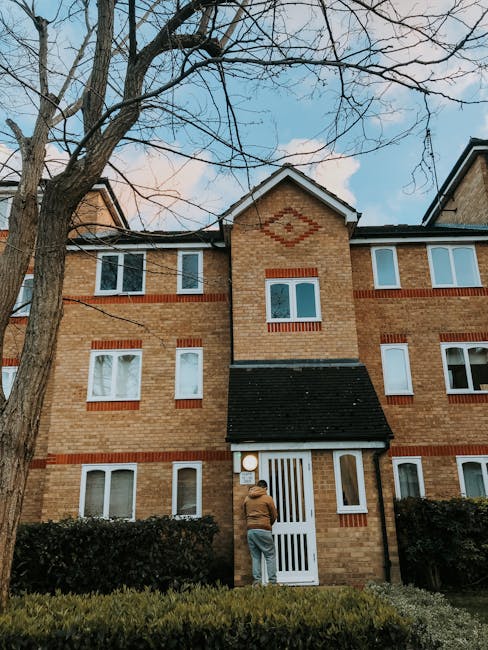
Elm Park estate flat removals Hornchurch insider tips
Moving out of an estate flat in Elm Park can be a very different job from a simple house move. Shared entrances, narrow stairs, lift bookings, parking realities, neighbours, and the usual pressure of a moving day can all pile up fast. That is exactly why Elm Park estate flat removals Hornchurch insider tips matter: they help you avoid the little problems that become big ones when boxes are stacked in a hallway and the van is already waiting outside.
If you are planning a flat move in Hornchurch, the good news is that most headaches are avoidable with a bit of local know-how. A few smart checks before moving day can save time, protect your furniture, and reduce the chance of last-minute stress. In our experience, it is often the small details - a lift slot, a stairwell width, a parking permit, a forgotten box of essentials - that make the biggest difference. Let's make the whole thing feel a lot more manageable.
You will also find practical guidance here on access, packing, comparisons between moving methods, and the kind of questions people usually only think to ask too late. If you want to compare costs or start planning, you can also look at the pricing and quotes information, or learn more about the team behind the service on the about us page.
Table of Contents
- Why Elm Park estate flat removals Hornchurch insider tips Matters
- How Elm Park estate flat removals Hornchurch insider tips Works
- Key Benefits and Practical Advantages
- Who This Is For and When It Makes Sense
- Step-by-Step Guidance
- Expert Tips for Better Results
- Common Mistakes to Avoid
- Tools, Resources and Recommendations
- Law, Compliance, Standards, or Best Practice
- Options, Methods, or Comparison Table
- Case Study or Real-World Example
- Practical Checklist
- Conclusion
- Frequently Asked Questions
Why Elm Park estate flat removals Hornchurch insider tips Matters
Estate flat moves are all about constraints. Unlike a typical house removal, you are usually working around shared corridors, tighter access, limited parking, and other residents who still need to get on with their day. That is especially true in and around Elm Park, where flats often sit within estates or blocks that were not designed for oversized vans and multiple trips up and down stairs.
The practical issue is not just moving stuff from A to B. It is doing it without damaging walls, blocking communal areas, upsetting neighbours, or running out of time because the lift is booked for only a short window. A good plan avoids the classic moving-day scramble: the missing keys, the sofa that will not turn the corner, the boxes that should have been labelled, the "where did we put the kettle?" moment. You know the one.
There is also a mental side to it. Estate flat removals can feel more exposed because every mistake is visible. People passing in the corridor notice everything. That extra pressure makes a calm, organised approach worth its weight in gold.
Expert summary: In estate flat removals, the biggest wins usually come from preparation, access planning, and clear communication rather than brute force or last-minute speed.
For local residents, this matters even more because traffic timing, parking restrictions, and building access can all affect the smoothness of the move. A few minutes spent checking the practicalities can save hours of frustration later.
How Elm Park estate flat removals Hornchurch insider tips Works
At a simple level, a flat removal follows the same basic pattern as any move: assess the volume, pack the belongings, transport them safely, and unload at the new address. In reality, estate flat removals need a more careful sequence.
First comes the access check. You want to know how the removal team will reach the property, where the vehicle can stop, whether there is a lift, how wide the stairs are, and whether any items need to be taken apart in advance. If your block has time restrictions for loading, those matter too. A quick walk-through can be more useful than a long phone call. You see the bottlenecks with your own eyes.
Next is the packing stage. Flat moves usually benefit from stronger box discipline than house moves because the hand carries are shorter but more frequent. Small and medium boxes are easier to manage in stairwells, and they are far less likely to split under pressure. Anything awkward - mirrors, lamps, artwork, TV screens, plants - deserves special attention. One badly packed box can hold up the whole run.
Then comes the actual move. On an estate, good removals practice means protecting communal areas, avoiding long blockages in entrances, and keeping the route clean. A lot of the "insider" part is really just common sense done consistently. Moving is already noisy enough. No one needs an extra drama with scuffed paintwork or a door left wedged open.
Finally, there is unloading and placement. A helpful removal plan does not end when the van arrives. It includes getting the furniture into the right rooms, checking that fragile items are intact, and making sure essential boxes are easy to find first thing that evening.
Key Benefits and Practical Advantages
People often think the benefit of a well-planned estate flat removal is simply convenience. That is true, but it is only the start. A properly organised move can reduce costs, lower risk, and make the whole day feel less chaotic.
- Less damage risk: careful lifting, proper padding, and good route planning protect walls, bannisters, lifts, and furniture.
- Faster moving day: when access is sorted beforehand, the crew can work steadily instead of waiting around.
- Lower stress: clarity on timing and responsibilities reduces that last-minute panic.
- Better use of storage or staging: if you need temporary space, planning it early helps avoid clutter at both addresses.
- More neighbour-friendly: shorter loading times and cleaner communal access usually mean fewer complaints.
There is also a financial angle. Delays can be expensive in practical terms even if they do not show up as a separate line on an invoice. Extra labour time, parking complications, or a second trip can all add friction. That is why checking details such as access and timing before moving day is usually a smart investment, not an optional extra.
And to be fair, there is a quality-of-life benefit too. The first evening in a new flat is much easier when the basics are where they should be. Bed frame. Kettle. Bedding. Phone charger. It sounds small, but it makes a real difference when you are tired and surrounded by boxes.
Who This Is For and When It Makes Sense
This kind of guidance is especially useful if you live in an estate flat, maisonette, or apartment block in Elm Park or the wider Hornchurch area. It is also relevant if you are moving into a flat with shared access or a building with a lift that needs to be booked in advance.
You will find it particularly helpful if you are:
- moving from a first-floor or upper-floor flat
- dealing with limited parking or narrow access roads
- moving with children, pets, or limited time
- taking furniture apart and rebuilding it at the new place
- trying to co-ordinate a same-day move-out and move-in
- using storage between properties
This is also for anyone who has thought, "It's only a flat move, how hard can it be?" That question tends to age badly by about 8:30 on moving day.
If your situation includes temporary overflow items, seasonal belongings, or a gap between tenancies, it may be worth reviewing recycling and sustainability guidance as well as practical storage planning. A tidy transition often starts with deciding what actually needs to move at all.
Step-by-Step Guidance
Here is the simplest way to approach an Elm Park estate flat move without losing the plot halfway through.
- Measure the access points. Check door frames, stair turns, lift size, and any awkward corners. A wardrobe that looks manageable in the bedroom can become a problem in the hallway.
- Book the moving window early. If your block needs lift reservations, loading bay arrangements, or access codes, sort them out as soon as possible.
- Sort parking in advance. Even a short walk from the van to the front door can slow the whole move if you have heavy items.
- Pack by room and priority. Label boxes clearly and create a first-night box for essentials.
- Dismantle bulky furniture where sensible. Beds, table legs, and modular storage are often easier to move in pieces.
- Protect fragile items properly. Use plenty of cushioning and avoid overfilling boxes.
- Tell neighbours and building managers where needed. A heads-up can prevent avoidable friction.
- Plan unloading at the new flat. Decide where key furniture should go before the van arrives.
A useful detail that people forget: keep the kettle, tea bags, toilet roll, medication, and phone chargers somewhere you can reach them quickly. Not glamorous, granted, but very useful when you arrive tired and slightly dusty.
If you want to understand what to expect from the provider side, the terms and conditions and insurance and safety information are worth a look before you commit.
Expert Tips for Better Results
This is where the real insider value lives. The basics are useful, but a few practical refinements can make a flat removal feel much smoother.
1. Start with the awkward items, not the easy ones
Everyone packs books, clothes, and kitchen bits first. Fair enough. But the items that create the most drama are usually the large, awkward, or fragile ones. Deal with them early so there is time to troubleshoot. If a sofa needs dismantling, or a headboard will not fit through the landing, you want that discovery on Tuesday afternoon, not Saturday morning.
2. Treat communal areas as part of the job
In estate blocks, stairwells and corridors are not just a route. They are shared space. The best removals move through those areas quickly, cleanly, and with care. That means keeping boxes stacked neatly, avoiding spills, and not leaving doors propped open longer than needed.
3. Label boxes in a way that helps the unload, not just the pack
A label like "miscellaneous" is a tiny act of chaos. Use room names, plus a brief note about what matters most. For example, "Kitchen - everyday plates" is much more useful than "Kitchen stuff." You will thank yourself later, probably while hunting for a mug.
4. Keep one eye on the weather and one on the clock
Rain, wind, and slippery entrances can slow a move, especially in the early morning or late evening. A little timing flexibility goes a long way. Even a dry day can still be a muddy one if people are coming in and out all afternoon.
5. Think in layers: move, store, or reduce
Some items do not need to go straight to the new flat. They may need storage, recycling, or a rethink. A simple filter helps: do I use this, does it fit, is it worth the space? That one question can lighten the move more than a dozen boxes ever will.
For practical planning, it may help to review the provider's health and safety policy and payment and security information if you are arranging a service with deposit or card payment. Nobody wants billing confusion at the same time as stairwell stress.
Common Mistakes to Avoid
Most moving problems are predictable. That is the annoying part. The reassuring part is that they are also avoidable.
- Underestimating access issues: a flat may look straightforward until you discover a tight staircase or a lift that barely fits a mattress.
- Packing too late: leaving everything to the final evening almost always creates avoidable damage and missing items.
- Using oversized boxes: they look efficient, but they are harder to lift and more likely to burst.
- Not checking parking: if the vehicle cannot stop close enough, the move slows down quickly.
- Forgetting building rules: some blocks have moving hours, lift reservations, or quiet-hour expectations.
- Skipping a first-night box: this is the classic one. It seems minor until you need it.
- Leaving rubbish for the last minute: cardboard, wrapping, and unwanted items can become a messy afterthought.
One more thing. People often assume every piece of furniture can be moved as-is. Sometimes it can't. A quick disassembly can save time and reduce the risk of scraping walls or trapping yourself halfway up a stairwell. It happens more often than anyone likes to admit.
Tools, Resources and Recommendations
You do not need specialist gear for every move, but a few basic tools make a noticeable difference.
| Tool / Item | Why it helps | Best used for |
|---|---|---|
| Strong tape and marker pens | Keeps boxes secure and clearly labelled | General packing |
| Furniture blankets | Helps protect corners and surfaces | Sofas, tables, wardrobes |
| Bubble wrap or paper padding | Reduces breakage risk | Glass, crockery, ornaments |
| Socket bag or screw bag | Keeps fixings together during dismantling | Beds, shelves, flat-pack furniture |
| Trolley or sack truck | Makes heavy items easier to move | Boxes, appliances, stacked items |
| Cleaning cloths | Useful for wiping handles and surfaces | Final sweep-out |
Beyond physical tools, there are a few useful support pages that can help you plan responsibly. If you want to understand the company, visit the about us page. If you need help making contact, the contact us page is the right place to start. If you have questions about a policy, the site also provides an accessibility statement and a privacy policy.
If you are dealing with items you no longer want, the sustainability page can help you think more clearly about reuse and disposal. That matters in a flat move, because clutter multiplies fast in smaller spaces.
Law, Compliance, Standards, or Best Practice
For removals in England, the practical rules are mostly about safety, fairness, and respect for shared spaces. You should always follow your building's own moving arrangements if there are any, including lift booking rules, loading restrictions, or instructions from the property manager. Those details are not just paperwork. They are what keep the day calm.
It is also sensible to use a provider that takes insurance and safety seriously. That does not mean every risk disappears - moving always involves some risk - but it does mean there should be sensible handling practices, suitable equipment, and clear expectations. Good operators should be able to explain how they protect property, manage access, and deal with common damage risks.
When comparing providers, look for plain-English terms rather than vague promises. You want to know what is included, what is excluded, how claims would be handled, and how payments are managed. The relevant terms and conditions and payment and security pages can help set expectations before the move begins.
If recycling or disposal forms part of the move, best practice is to separate reusable items from waste early. That keeps the flat tidier, reduces unnecessary trips, and makes sorting much easier at the end. Simple, really - but easy to forget when you are in a hurry.
Options, Methods, or Comparison Table
There is more than one way to handle an estate flat move. The right choice depends on time, budget, access, and how much you want to do yourself.
| Method | Best for | Pros | Trade-offs |
|---|---|---|---|
| Full removal service | Busy households, larger flat moves, tight schedules | Less lifting, less stress, better coordination | Usually higher cost than DIY |
| Self-move with hired van | Smaller moves, flexible people, lower budgets | More control, can be cheaper | More physical work, more planning, more risk |
| Hybrid move with storage | Moves with a gap between properties or excess belongings | Reduces pressure on moving day | Requires extra coordination |
| Partial removals only | Single bulky items or selected rooms | Useful for awkward furniture or quick jobs | May still need strong preparation |
For many Elm Park flat moves, the hybrid approach is quietly underrated. If your new place is not quite ready, or you are decluttering before handing back keys, a little storage can make the whole process feel less frantic. That is often the difference between "absolute chaos" and "manageable, if still slightly messy."
Case Study or Real-World Example
Here is a realistic example drawn from the kind of situation people often face. A couple in a Hornchurch estate flat were moving from a second-floor property into another apartment nearby. On paper, it looked like a quick move. In practice, there were three complications: a narrow stairwell, limited parking at the old block, and a sofa that would not make the turning into the hallway in one piece.
The fix was simple but not rushed. They checked access in advance, separated fragile items into small boxes, and dismantled the sofa the evening before. They also created a first-night bag with bedding, toiletries, chargers, snacks, and important documents. That one bag saved them a lot of unnecessary rummaging once they got to the new place.
On the day itself, the move felt steady rather than frantic. The van parked as close as possible, the heavy items went first, and the communal areas stayed clear. There was still noise, of course - there always is - but no one had to backtrack or argue with a stuck door frame. The couple later said the most helpful thing was not the lifting. It was the planning.
That is the real lesson here. A smooth flat move is rarely about being superhuman. It is about removing friction in the right places.
Practical Checklist
Use this checklist in the final week before your move. It is simple, but it catches most of the usual slip-ups.
- Confirm the moving date and time window
- Check lift access or stair access in advance
- Measure any awkward furniture or large appliances
- Reserve parking or loading space if needed
- Label all boxes clearly by room
- Pack a first-night essentials bag
- Disassemble furniture that will not fit safely as-is
- Wrap fragile items with enough padding
- Notify building management or neighbours where appropriate
- Keep key documents, keys, and chargers separate
- Review health and safety guidance before moving day
- Arrange any storage, recycling, or disposal needs early
- Check your final payment details and booking confirmation
Quick takeaway: if you can control access, packing, and timing, you have already solved most of the stress. The rest is just lifting boxes and keeping your sense of humour intact.
Conclusion
Elm Park estate flat removals Hornchurch insider tips are really about making a small-space move work in the real world. Shared access, parking, lifts, neighbours, and fragile belongings all add layers that you do not get with a simple front-door house move. But with good planning, clear packing, and a sensible removal strategy, those layers become manageable.
Start early, keep your essentials separate, ask the awkward access questions before moving day, and treat communal spaces with care. That combination will save you time, reduce damage risk, and make the entire move feel more in control. Not perfect. Just calmer, which is usually what matters most.
If you are ready to get your move organised, compare the details, check the policies, and take the next step with confidence. A little structure goes a long way when you are leaving one flat and stepping into the next chapter.
Get a free quote today and see how much you can save.
Frequently Asked Questions
What makes estate flat removals in Elm Park harder than a normal house move?
Estate flat moves usually involve shared access, tighter stairwells, limited parking, and more rules around loading or lift use. That extra layer of planning is what makes them trickier.
Do I need to measure my furniture before moving out of a flat?
Yes, especially for large items like sofas, wardrobes, beds, and appliances. A quick measurement can prevent the very common problem of discovering an item will not fit through a turn or doorway.
How far in advance should I book a flat removal?
As early as possible. Even if the move seems simple, access arrangements, parking, and building rules can all affect availability. Booking early gives you more flexibility.
Should I dismantle furniture before the removal team arrives?
If the item is bulky or awkward, yes, it often helps. Beds, shelving, and some tables are easier and safer to move in pieces. Just keep screws and fittings together in a labelled bag.
What should I put in a first-night box?
Pack bedding, toiletries, toilet roll, chargers, medication, a change of clothes, snacks, and basic kitchen essentials. It saves a lot of digging around when you are tired.
How do I avoid damaging communal areas during a flat move?
Use proper protection, keep routes clear, move steadily, and avoid dragging items. It also helps to have someone guiding larger items through tighter spaces.
Is storage useful for estate flat removals?
Very often, yes. Storage can help if there is a gap between properties, if you need time to sort belongings, or if the new flat is smaller than the old one.
What is the best way to label boxes for a flat move?
Use the room name and a short note on what is inside or what is needed first. "Kitchen - daily items" is much more useful than a vague label.
How can I compare removal options without overcomplicating it?
Think about three things: how much time you have, how much you want to lift yourself, and whether access is easy or awkward. Those three points usually make the right choice clearer.
What should I check in the terms and conditions before booking?
Look for what is included, how payments work, what happens if timings change, and how handling or access issues are managed. Clear terms help avoid surprises later.
Are sustainability and recycling relevant when moving a flat?
Absolutely. Flat moves often reveal items you no longer need. Sorting reusable items from waste early can reduce clutter and make the move more efficient.
How do I make moving day less stressful in a small flat?
Pack early, keep essentials separate, measure awkward items, and confirm access details before the day arrives. Small preparations make a big difference. Honestly, they really do.
If you are still deciding how much help you need, a brief conversation can save you hours of second-guessing. And if you want to understand the company's wider approach, the about us and contact us pages are a sensible place to continue.