Removals delays and access problems in Emerson Park
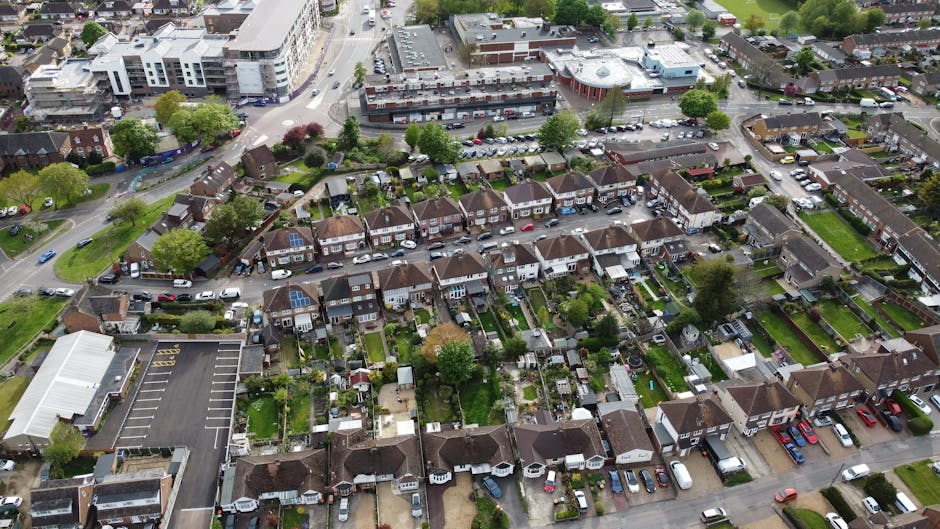
If you are dealing with removals delays and access problems in Emerson Park, you already know how quickly a simple moving day can turn into a bit of a headache. A narrow road, a late lift, a van that cannot park where it should, or a front door that is awkwardly placed can throw the whole schedule off. Truth be told, it happens more often than people expect.
This guide breaks down what causes delays, how access issues affect house and office moves, and what you can do before moving day to reduce stress. It also covers practical planning, useful service options, and the small details that make a big difference when time, space, and access are tight. If you want a calmer move, keep reading.
Why removals delays and access problems in Emerson Park matters
Access issues sound minor until you are standing on a pavement with a sofa, a washing machine, and a van parked three streets away. In Emerson Park, delays can come from the basics: restricted parking, shared driveways, narrow entrances, flats above shops, stairs that turn sharply, or busy local traffic at the exact wrong time. It is rarely one big failure. More often, it is a handful of small issues stacking up.
Why does that matter so much? Because removals are timed around people, buildings, and vehicles all working together. If one part slips, the rest follows. A crew may still do the job well, but the day can drag on, cost more, or become physically harder than it needed to be. That is especially frustrating when you have kids, pets, building access deadlines, or a chain move waiting on you.
There is also the emotional side. Moving is already noisy, physical, and a little disorientating. You hear doors banging, see boxes stacked everywhere, and every minute feels like it matters. Access problems add that extra layer of pressure. The good news? Most of them can be anticipated with a bit of planning and the right service mix, whether that means local removals, man and van support, or a full removals service.
Expert summary: In removals, the biggest delays are often not caused by distance, but by access. If you plan the route, parking, entry points, and handling space properly, you usually save time, money, and a fair bit of stress.
Table of Contents
- Why removals delays and access problems in Emerson Park matters
- How removals delays and access problems in Emerson Park works
- Key benefits and practical advantages
- Who this is for and when it makes sense
- Step-by-step guidance
- Expert tips for better results
- Common mistakes to avoid
- Tools, resources and recommendations
- Law, compliance, standards, or best practice
- Options, methods, or comparison table
- Case study or real-world example
- Practical checklist
- Conclusion
- Frequently asked questions
How removals delays and access problems in Emerson Park works
At a practical level, the process starts before the van even arrives. A good move plan looks at the property, the route, and the handling space between the home and the vehicle. If the driver cannot pull close enough, every item has to be carried further. If the building has awkward access, then loading slows down. If there is lift access but the lift is tiny, the job changes again. Simple enough in theory. In reality, it takes a proper eye for detail.
Delays can arise in several stages:
- Before collection: waiting for keys, access codes, parking spaces, or building permission.
- During loading: navigating stairs, tight hallways, low ceilings, or long walks from the van.
- In transit: traffic, roadworks, or timed access windows on the destination side.
- During unloading: lift restrictions, missing keys, poor item labelling, or blocked entrances.
In many cases, a move that looks straightforward on paper becomes a "carry and queue" job on the day. That is why survey questions matter. A remover will often want to know whether the property is a flat, whether there is on-street parking, whether large furniture has to be dismantled, and whether access will be shared with neighbours or other vehicles. Those questions are not fuss. They are the difference between a smooth run and a long afternoon.
If your move includes fragile pieces, awkward furniture, or a lot of boxed items, packaging and sequencing matter too. Using packing services can take a surprising amount of pressure off the day, because items arrive ready to load rather than being wrapped in a panic while everyone waits around.
Key benefits and practical advantages
Planning around delays and access problems is not just about avoiding hassle. It can genuinely improve the outcome of the move. Here are the main benefits people notice.
- Less wasted time: fewer hold-ups caused by poor access or missing arrangements.
- Reduced damage risk: less dragging, squeezing, and last-minute lifting in awkward spaces.
- Better control over costs: a faster, cleaner move usually means fewer billable hours or less overtime.
- Lower stress: you are not making live decisions while boxes pile up by the door.
- Better protection for the property: careful planning helps avoid scuffed walls, marked floors, and jammed door frames.
There is also a quieter benefit: confidence. When you know how the access will work, you stop guessing. That sounds small, but it matters. People make better decisions when they are not improvising every ten minutes. They remember to reserve space, move bins, clear hallways, and keep keys together. That sort of thing adds up.
For some homes and apartments, a smaller vehicle or a partial-load approach can be the smarter choice. A service such as small removals may make more sense than sending a large van that cannot park close enough. For others, especially if timing is tight, mobile self storage or removals and storage can bridge the gap if completion, access, or handover dates do not line up neatly.
Who this is for and when it makes sense
This topic matters to a wider group than first-time movers. In our experience, access problems show up in all sorts of situations. A few examples:
- Homeowners and tenants moving from terraced houses, maisonettes, or flats with tricky stairwells.
- Families juggling school runs, pets, and furniture that seems to have grown overnight.
- Students needing fast drop-offs, storage between terms, or short-notice moves.
- Office teams relocating desks, files, and equipment without disrupting trading hours.
- Older residents who need a move that is paced carefully and handled with extra care.
It also makes sense when your move date is not entirely under your control. Maybe the landlord has given you a narrow access window. Maybe the building management only allows moves on certain days. Maybe you are waiting on keys while the clock is ticking. That is exactly when a simple plan can save the day.
If you are moving business equipment or archives, access becomes even more important. Files, desks, and IT kit can be awkward to carry, and delays have a knock-on effect on staff and customers. Services like office removals, office storage, and document storage can help reduce pressure when timing is tight or the premises are hard to access.
Step-by-step guidance
Here is a clear way to handle removals delays and access problems in Emerson Park without overcomplicating it.
- Assess the property early. Look at parking, entrances, staircases, lifts, corridors, and the distance from road to door. If you can walk the route with a tape measure or just a decent eye, do it.
- Tell the removals team the awkward bits. Mention low ceilings, narrow front paths, shared driveways, gated access, or timed entry restrictions. Do not assume it is obvious. Often it is not.
- Plan loading order. Put the first-needed items aside and keep heavy or fragile pieces easy to identify. Labelling boxes well helps more than people think.
- Reserve access where possible. If the property needs parking space or a loading bay, arrange it in advance if you can. If not, at least know your fallback option.
- Prepare for waiting time. Build in a buffer. A move that starts at 9 a.m. can become a 10:30 a.m. reality before anyone has done anything wrong.
- Use storage if dates do not align. If your outgoing property, new property, or access slot is not lining up, temporary storage can prevent a messy overlap.
- Keep communication simple on the day. One contact number, one agreed meeting point, one plan for keys. It sounds basic. It is, and it works.
If the route from van to property is genuinely awkward, a hybrid plan can be better than trying to force everything into one unload. For example, you might move bulky items separately and keep boxes in a short-term holding solution until access improves. That is where short-term storage can be useful. If the issue is more about security and keeping belongings safe between dates, secure storage gives extra peace of mind.
Expert tips for better results
Small adjustments make a big difference. Here are the tips that tend to save the most time.
- Measure the awkward furniture first. Sofas, beds, wardrobes, and fridge-freezers are the usual troublemakers. Measure height, width, and turning space, not just the item itself.
- Check lift size properly. A lift that looks generous can still fail for wardrobes or mattresses. If in doubt, assume it is smaller than it looks. Annoying, but safer.
- Use colour-coded room labels. It helps the unloading team place items faster, especially if rooms are split across floors.
- Protect access points. Floor runners, door covers, and corner protection are worth considering if the route is tight or there is expensive flooring in the way.
- Keep essentials separate. Kettle, chargers, medication, paperwork, pet supplies. The usual suspects. Do not bury them under winter coats.
- Choose the right service level. For a straightforward local move, local removals may be ideal. For heavier household moves, house removals may be the better fit. For flat-based moves with stair access or compact spaces, flat removals are often the more practical option.
A small aside, because it happens: people often pack the kettle last and then spend the first evening rummaging for tea bags. Not a disaster, obviously, but moving day is easier when the basics are easy to reach.
Common mistakes to avoid
The most common mistake is underestimating access. People look at distance and forget the path. A property may be only a few metres from the road, but if the route includes steps, a tight turn, or a locked gate, the load-in time changes fast.
Other frequent mistakes include:
- Not checking parking restrictions. A van that cannot stop close enough creates avoidable delays.
- Leaving boxes unlabelled. This slows unloading and makes it harder to prioritise essentials.
- Forgetting building rules. Some buildings need advance notice for moving hours or lift use.
- Not warning about fragile access points. Thin bannisters, narrow landings, and steep stairs should be flagged early.
- Assuming storage is only for long-term use. Sometimes a few days or weeks in storage is exactly what keeps the move sane.
It is also easy to ignore the weather. Rain makes surfaces slippery, cardboard weaker, and handling slower. A damp morning in Essex can turn an organised handover into a bit of a scramble. Nothing dramatic, just enough to slow everything down if you have not planned for it.
Tools, resources and recommendations
You do not need a big toolkit, but a few practical items help enormously. Think of this as your moving-day safety net.
- Measuring tape: for furniture, doorways, and hallway widths.
- Phone flashlight: useful in dark hallways, lofts, or stairwells.
- Strong labels and marker pens: for room-by-room sorting.
- Floor protection materials: especially if the route is tight or wet.
- Toolkit for dismantling furniture: basic screwdrivers, hex keys, tape, and bags for fixings.
For the service side, it helps to compare the job against the right support level. If the move is relatively light and access is awkward, man and van support can be efficient. If you are moving more furniture and need extra care, furniture storage can keep large pieces safe while access or timing issues settle down. If it is a house move with mixed items, household storage can be a handy buffer.
And if the move is part of a longer life change, maybe a new job or a temporary relocation, it can help to see the whole picture rather than just the loading day. Services such as self storage and long-term storage can be part of the plan, not just an afterthought.
Law, compliance, standards, or best practice
Removals planning is not usually about deep legal complexity, but there are still important expectations around safety, access, and fair handling. In the UK, good practice generally means taking reasonable steps to protect people, property, and goods during the move. That includes safe lifting, sensible vehicle positioning, clear communication, and respecting building or site rules.
For business moves, the bar is often a little higher. Offices may have fire routes, landlord conditions, loading restrictions, or document handling requirements. Items may also need more careful tracking. Using services such as business storage or office storage can help when a phased relocation is safer than trying to do everything in one go.
Insurance also matters. You should understand what is covered, what is excluded, and whether any particularly valuable items need special handling. It is wise to review the provider's insurance and safety guidance before moving day. Likewise, if you are booking services online or paying in advance, a quick look at payment and security and the terms and conditions is just common sense.
One more point: if accessibility is a concern because of mobility, sensory, or building access needs, it is sensible to ask early about the provider's support options and any access information they make available. Small adjustments can make a move feel far more manageable.
Options, methods, or comparison table
There is no single best method for every move. The right choice depends on access, volume, timing, and how much handling the furniture can tolerate. Here is a simple comparison.
| Option | Best for | Strengths | Watch-outs |
|---|---|---|---|
| Full removals service | Most household or larger moves | Managed loading, structured planning, less personal effort | Needs clear access info to avoid delays |
| Man and van | Smaller loads or flexible jobs | Good for tighter access and shorter trips | May need multiple runs if the load is bigger than expected |
| Small removals | Compact moves, student items, partial loads | Efficient and often more practical in difficult access situations | Not ideal for very large or complex household moves |
| Removals and storage | Moves with date gaps or access delays | Keeps belongings safe when handover timing is messy | Requires planning across two services rather than one |
| Short-term storage | Temporary holdovers, refurbishment gaps, access delays | Creates breathing room when dates do not align | Needs organised labelling and inventory |
If you are not sure which route fits, start with the access question first. That usually narrows it down quickly. Then look at volume, timing, and how many people you want involved on the day. Simple question, but it saves a lot of confusion.
Case study or real-world example
Here is a realistic example. A couple moving from a flat in Emerson Park had a completion time that kept sliding. The property had limited nearby parking, a narrow staircase, and a second-floor landing that made larger furniture awkward to turn. They also had a sofa bed that looked fine in the lounge, but behaved like a different piece of furniture once it reached the stairs. Funny how that works.
Instead of trying to do the whole thing in one rush, they split the move into stages. The less urgent boxes went into short-term storage. The key furniture was measured in advance and the loading order was planned so the van could be used efficiently. On the day, access details had already been shared, which meant the crew arrived ready for the stairwell, not surprised by it.
The result was not a magical, perfect move. There was still some waiting, and somebody still lost the tape measure for ten minutes. But the day stayed manageable. No last-minute scramble, no panic over where to put the dining table, and no frantic hunt for parking while everything sat in the rain. That is the sort of outcome good planning gives you: not perfection, just control.
Practical checklist
Use this before moving day if you want to cut the odds of delay.
- Confirm the exact move date and time window.
- Check whether parking can be reserved or whether loading is restricted.
- Measure doorways, stairs, lifts, and any tight corners.
- Tell the removals team about steps, gates, shared entrances, or long carry distances.
- Label boxes by room and priority.
- Set aside essentials for the first 24 hours.
- Disassemble large furniture where needed.
- Protect floors and walls on both sides of the move.
- Prepare keys, codes, and contact details in one place.
- Have a backup plan if the schedule slips.
If you want a more tailored approach, you can also speak with the team behind the wider range of services on about us and make use of the pricing and quotes information before you commit. For questions about booking, access, or practical arrangements, the safest next step is to get in touch.
Conclusion
Removals delays and access problems in Emerson Park are rarely about one huge issue. More often, they are a chain of little things: parking, timing, stairs, building rules, awkward furniture, or a moving schedule that is too tight. Once you spot those risks early, the whole process becomes easier to manage.
The best moves are not always the fastest. They are the ones that are thought through, paced well, and flexible enough to handle real life. That may mean choosing a smaller vehicle, using storage for a short period, or planning around access restrictions instead of pretending they will sort themselves out. They usually do not.
Be prepared, keep the plan simple, and leave yourself a little breathing room. That one habit can change the whole feel of moving day.
Get a free quote today and see how much you can save.
Frequently asked questions
What causes removals delays in Emerson Park most often?
The most common causes are parking problems, narrow access, lift restrictions, missing keys, and slow handover timing. Traffic and roadworks can also add a bit of drift to the schedule.
How do I know if my property has access issues before moving day?
Walk the route from the road to the front door and look for steps, tight turns, low ceilings, narrow hallways, gates, or long carry distances. If anything feels awkward to you, it will probably be awkward on the day too.
Should I book a full removals service or a man and van?
It depends on the load and the access. A full removals service suits larger household moves, while man and van can work well for smaller loads or tighter access. If the job is simple but space is limited, a smaller vehicle may be the smarter choice.
Can storage help if my moving dates do not match?
Yes. Short-term or secure storage can bridge a gap between properties, completion dates, or access windows. It is often the least stressful fix when the timing is slightly off.
Is there a difference between short-term and long-term storage?
Yes. Short-term storage is better for temporary gaps, while long-term storage suits items you will not need for a while. If you are unsure, think about when you will need the items back, not just where they will sit.
What should I tell the removals team about access?
Be specific. Mention stairs, lifts, parking, gate codes, shared driveways, long walkways, and any restrictions on moving times. The more concrete you are, the better they can plan.
How can I reduce the risk of damage in a difficult access property?
Clear walkways, protect floors, dismantle large furniture where needed, and label everything carefully. It also helps to move essentials and fragile items separately rather than rushing them through tight spots.
Do office moves have different access risks from home moves?
Usually, yes. Offices may have building rules, loading windows, internal security controls, and equipment that needs careful handling. That is why office removals often benefit from extra planning and, in some cases, office storage.
Are flats always harder to move than houses?
Not always, but flats often bring more access variables such as stairs, lifts, and shared entry points. Some houses are difficult too, especially if the parking is poor or the hallway is very narrow.
What if the van cannot park close enough?
Then the carry distance becomes longer and the move usually takes more time. A good removals team will plan for that, but it is still worth flagging in advance so they can bring the right equipment and set expectations properly.
Can packing services really help with delays?
Yes, because well-packed, clearly labelled items are faster to load and unload. Packing services can also reduce the chance of damage and make the day feel a lot less chaotic.
How far in advance should I plan for access problems?
As early as you can. Even a brief walk-through a week or two before moving day can expose hidden problems. The earlier you spot them, the easier it is to work around them.