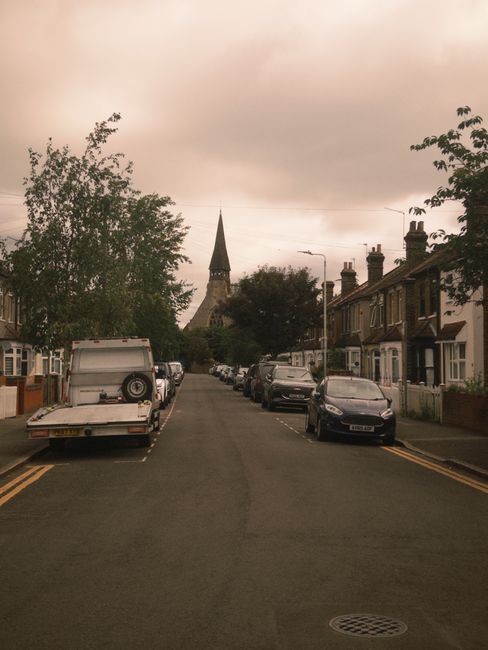
South Hornchurch removals local guide for streets and estates
If you are planning a move in South Hornchurch, the details matter more than people sometimes expect. A removal van that works brilliantly on a quiet road can feel hopeless on a street with tight parking, school-time traffic, or a maze-like estate layout. This South Hornchurch removals local guide for streets and estates is designed to help you think through the practical bits before moving day arrives, so the process feels calmer and far less chaotic.
Truth be told, most moving stress comes from small things that were never written down: a narrow turning circle, a shared driveway, a top-floor flat with no lift, or a neighbour who has parked exactly where the van needed to sit. The good news? Those are usually manageable. You just need a local-minded plan, a bit of timing, and the right type of removals support for the property you actually live in, not the one in your head.
In the sections below, you will find a simple breakdown of how local moves work in South Hornchurch, what to look out for on common streets and estates, and how to avoid the mistakes that cause delays. There is a practical checklist too, because moving day without a checklist is basically a stress test dressed up as a house move.
Table of Contents
- Why South Hornchurch removals local guide for streets and estates matters
- How South Hornchurch removals local guide for streets and estates works
- Key benefits and practical advantages
- Who this is for and when it makes sense
- Step-by-step guidance
- Expert tips for better results
- Common mistakes to avoid
- Tools, resources and recommendations
- Law, compliance, standards, or best practice
- Options, methods, or comparison table
- Case study or real-world example
- Practical checklist
- Conclusion
- Frequently Asked Questions
Why South Hornchurch removals local guide for streets and estates Matters
South Hornchurch has the kind of local variety that can make a removal straightforward one minute and awkward the next. Some streets are easy for loading and unloading, while others are tighter, busier, or more sensitive to parking pressure. Estates can be even trickier because internal roads, shared entrances, and neighbour traffic can all affect how a move needs to be handled.
That is why a local guide matters. It helps you think beyond the postcode and look at the actual move environment. Are you on a residential street with on-street parking only? Is the property on an estate with controlled access? Do you have to carry furniture through communal areas or up several flights of stairs? These are not minor details. They shape the time, labour, vehicle choice, and packing strategy.
For many people, the main benefit of local knowledge is predictability. You are less likely to be surprised by a van that cannot park where expected or a last-minute scramble to move everything during a narrow loading window. And if you are arranging local removals as part of the move, that same local thinking helps you choose the right level of support from the start.
There is also a trust angle here. A removals plan that reflects the street, estate, or building layout feels more considered. That matters when you are moving family belongings, furniture, or business equipment and you want the day handled properly, not hurried through on guesswork.
Expert summary: the best South Hornchurch move plans do not start with boxes; they start with access, parking, stairs, loading points, and how long the job is likely to take in the real world.
How South Hornchurch removals local guide for streets and estates Works
A local removals plan usually starts with a simple property and access review. Nothing fancy. Just a clear look at where the items are coming from, where the vehicle can stop, and how the route inside the property will work. In a flat, that often means stairs, lifts, communal corridors, and entry codes. In a house, it may be drive access, front-garden paths, side gates, and the width of the front door.
Once that is mapped out, the move can be matched to the right service. A full house removals service may suit a family home with a lot of furniture. A flat removals option can be better if access is more vertical than horizontal. For smaller properties, a small removals approach may be more efficient and less expensive than booking a larger setup you do not need.
Then comes timing. Streets and estates can behave very differently depending on the time of day. Early mornings are often easier for parking and unloading. School-run times, bin days, and commuter peaks can complicate things. You do not need a spreadsheet for everything, thank goodness, but a bit of timing awareness can save a lot of fuss.
On the day itself, the team should work through a sensible sequence: protect entry points, load the larger and heavier items first, keep fragile items separated, and make sure the route in and out stays as clear as possible. If storage is part of the plan, a removals and storage option can bridge the gap between move-out and move-in dates without forcing you to rush.
Key Benefits and Practical Advantages
The biggest benefit of local removals planning is simple: fewer surprises. But there are several smaller advantages that matter just as much in practice.
- Better vehicle choice: a smaller van or a more flexible loading setup may suit a narrow street or estate access road better than a larger truck.
- Smoother parking: understanding where a vehicle can stop reduces delays and keeps neighbours happier too.
- Less carrying distance: if you know the best access point, you can reduce unnecessary lifting.
- Cleaner handling of fragile items: a proper plan means fewer last-minute decisions and less rushed packing.
- Improved timing: the move is more likely to finish within the expected window, which is always a relief.
- Better fit for your property type: flats, terraces, maisonettes, and estates each need slightly different handling.
Another practical advantage is peace of mind. You will notice the difference when the moving crew arrives and already understands the likely bottlenecks. The mood of the day changes. It gets calmer. Less panic, fewer interruptions, and fewer of those little moments where everyone looks at the staircase and quietly sighs.
If you are planning around expensive or awkward furniture, a dedicated furniture storage option can also help protect items that are too large or too delicate to move immediately into the new place.
Who This Is For and When It Makes Sense
This guide is useful for anyone moving within South Hornchurch, into South Hornchurch, or out of the area with a local loading and unloading point in the mix. It is especially helpful if one of the following applies:
- You live on a busy road where parking is limited.
- You are moving from a flat or maisonette with stairs or a lift.
- Your estate has shared access, barriers, or controlled entry.
- You need temporary storage because completion dates do not line up neatly.
- You are moving bulky furniture, business stock, or equipment.
- You want a more efficient move than a do-it-yourself van hire trip.
It also makes sense if you are trying to compare removal options and decide how much help you really need. Some moves only need a man and a van. Others need full packing support, furniture handling, and storage all rolled into one. There is no prize for overcomplicating it, by the way. Keep it as simple as the property allows.
For smaller, quicker jobs, man and van support can be a good fit. For more demanding home moves, a full removals service is usually the more comfortable choice.
Step-by-Step Guidance
If you want a move that feels organised rather than improvised, follow a simple process. Nothing clever. Just thorough.
- Assess the property access. Check entrance width, stairs, lift access, gate codes, parking rules, and any awkward corners. Walk the route if you can.
- List the awkward items. Sofas, wardrobes, beds, mirrors, pianos, white goods, and anything unusually heavy should be identified early.
- Choose the right service level. A local move may only need transport support, or it may need packing and storage too.
- Confirm timing. Pick a moving slot that avoids known traffic pinch points where possible. Early starts are often friendlier on local streets.
- Pack by priority. Keep daily essentials separate from less urgent items. If you are still packing late the night before, well, you are not alone, but that is not the ideal moment.
- Prepare for loading. Clear hallways, label rooms, disconnect appliances where appropriate, and protect floors or corners if needed.
- Check storage needs. If dates do not match, arrange short-term or long-term options in advance rather than as an emergency fix.
- Do a final access check. Make sure someone knows where the keys are, where the vehicle should wait, and who is responsible for opening gates or doors.
A practical detail many people miss: estates often have different access flow than open streets. A move may be quick once inside, but the outer access point might be the real bottleneck. That is why the route matters as much as the distance.
Expert Tips for Better Results
Here is the sort of advice that tends to save people from avoidable stress.
1. Think in terms of carrying distance, not just postcode distance. A property is not difficult because it is far away. It is difficult because the items have to be moved from the front door to the vehicle, or vice versa, through a real environment with doors, steps, and parked cars.
2. Separate fragile and essential items early. Put documents, chargers, keys, medication, and a change of clothes somewhere easy to reach. The kettle should not vanish into box 22. We have all seen that mistake, and it is never fun.
3. Use storage wisely, not lazily. Storage is most helpful when it solves a timing issue, protects items during a renovation, or reduces pressure in a smaller property. For temporary flexibility, short-term storage can be a practical bridge, while long-term storage suits items you will not need soon.
4. Match the move method to the property type. Flats, houses, and office spaces behave differently. For commercial moves, office removals are usually planned with more care around equipment, records, and downtime.
5. Keep your communication simple. One clear point of contact, one access plan, one timeline. It sounds basic because it is basic, and basic works.
6. Protect the items that are expensive to replace but easy to damage. Mirrors, artwork, desk screens, flat-pack furniture in transit, and anything with awkward edges deserve proper packing.
Common Mistakes to Avoid
Most moving problems are boringly predictable. Not dramatic. Just predictable.
- Ignoring local parking pressure: assuming the van can just stop anywhere is a fast route to delays.
- Underestimating stair access: one awkward stairwell can change the whole move rhythm.
- Leaving packing too late: rushed packing creates damaged items and missing essentials.
- Forgetting estate rules: some estates have access restrictions, quiet hours, or shared space expectations.
- Choosing the wrong vehicle size: too small means extra trips; too large can make access difficult.
- Not planning storage early: if dates do not align, scrambling at the last minute is expensive and stressful.
There is also a subtle mistake people make when they focus only on price. The cheapest quote is not always the best value if it does not include the right handling, the right vehicle, or the right amount of time on site. Ask what is actually covered. Ask again if needed. Better a slightly awkward question now than a chaotic loading bay later.
Tools, Resources and Recommendations
You do not need specialist equipment for every move, but a few practical tools make life easier.
- Strong boxes in mixed sizes: small boxes for books and heavy items, larger ones for lighter belongings.
- Labels and a marker pen: room labels save time when unloading, especially in larger houses or shared buildings.
- Furniture covers and blankets: useful for protecting corners, doors, and upholstered items.
- Tape, scissors, and cable ties: the everyday essentials that always seem to disappear until you are halfway through packing.
- Simple floor protection: especially useful in wet weather when shoes can bring in grit.
If your move involves delicate packing, a professional packing services option can reduce damage risk and save a surprising amount of time. For items that need a secure holding place during the transition, secure storage is worth considering, particularly when you are juggling keys, contractors, or delayed completion dates.
It also helps to use a simple room-by-room inventory. Not a full corporate audit, just a plain list of major items. That little bit of order makes it much easier to check what has been loaded, what is still at the property, and what should come out first at the other end.
Law, Compliance, Standards, or Best Practice
Moving home or business property in the UK does not usually involve heavy regulation for the customer, but there are still sensible standards and duties to think about. If you are using a removals company, it is reasonable to expect safe handling, clear communication, and proper care around property and access areas.
Health and safety matters, especially where heavy lifting, stairs, narrow corridors, or shared communal spaces are involved. You should also expect the team to work in a way that does not create avoidable hazards for residents, neighbours, or visitors. If you want to understand how a provider approaches this, a published health and safety policy and clear insurance and safety information are useful signs.
It is also sensible to check how payments, terms, and cancellations are handled before you commit. That is not being fussy. It is just good housekeeping. A provider with clear payment and security standards and transparent terms and conditions is usually easier to deal with if plans change.
If your move creates waste, packaging, or items you no longer need, a responsible approach to disposal matters too. Some customers like to reduce waste through recycling and sustainability practices, which is a neat way of keeping the move from becoming a mountain of unnecessary cardboard and broken bits.
Options, Methods, or Comparison Table
Choosing the right move method depends on property type, volume, access, and timing. Here is a simple comparison to help you narrow it down.
| Option | Best for | Strengths | Possible drawbacks |
|---|---|---|---|
| Man and van | Smaller loads, quick local moves | Flexible, often efficient for short distances | May not suit large furniture sets or complex access |
| Small removals | Light house moves or mixed items | Good balance of capacity and practicality | Can be too limited for full-family moves |
| House removals | Full home moves | Better for heavier loads and structured loading | May be more than needed for a very small move |
| Flat removals | Flats, maisonettes, upper-floor access | Designed with stair and communal access in mind | Still depends on building rules and parking |
| Removals and storage | Moves with timing gaps or renovation delays | Flexible and stress-reducing | Needs extra planning and cost consideration |
If you are uncertain, start by asking what kind of access your property actually presents. That question alone usually cuts through a lot of confusion. After that, it is easier to decide whether a lighter or fuller service makes sense.
Case Study or Real-World Example
Picture a family moving from a first-floor flat in South Hornchurch to a two-bedroom house on a nearby estate. On paper, it looks simple. Short distance. Same area. Easy, right? In reality, the flat has narrow stairs, the estate has shared parking, and the moving day lands on a weekday morning when vehicles come and go more often than expected.
The couple plans the move with the access route in mind. They pack essentials separately, arrange a smaller loading vehicle, and reserve the larger furniture for a time when the entrance is clear. They also put the bulkier items into temporary storage for a few days because the new place still needs decorating. Nothing dramatic. Just sensible planning.
What made the difference? Not luck. Not special treatment. Just a move plan built around the actual streets and estate layout instead of the ideal version in their heads. The result was a slower start than they hoped, then a smooth finish by early afternoon. A bit muddy outside, one box was labelled backwards, but overall the day stayed under control. And honestly, that is a win.
Practical Checklist
Use this checklist the week before moving day and again on the morning itself.
- Confirm the exact property address and access point.
- Check whether parking space is available near the entrance.
- Note stair access, lift access, or any coded entry systems.
- Measure bulky furniture if you suspect tight corners or doorways.
- Separate essentials, valuables, and fragile items.
- Label boxes by room and priority.
- Arrange storage if your dates do not line up neatly.
- Clear walkways, hallways, and loading routes.
- Protect floors, walls, and door frames if needed.
- Keep keys, documents, chargers, and medication with you.
- Double-check the moving time and any access restrictions.
- Have contact details ready in case plans change on the day.
Quick reminder: the calmer the prep, the easier the move. It really does add up.
Conclusion
South Hornchurch removals work best when the plan matches the place. That means thinking about streets, estates, parking, access, stairs, storage, and the actual shape of the property before the first box is lifted. Once you do that, the move becomes much easier to manage. Less guessing. Less backtracking. More control.
Whether you are moving from a compact flat, a family house, or a property with awkward access, the smartest approach is to choose the removal method that fits the local layout and your timing. A little local awareness goes a very long way, especially on busy days when everything feels slightly louder, slightly tighter, and slightly more rushed than you wanted.
If you are still comparing options, take one more look at your access needs, your dates, and whether storage would make the whole process smoother. A bit of planning now can save a lot of strain later, and that is no small thing.
Get a free quote today and see how much you can save.
Frequently Asked Questions
What makes South Hornchurch moves different from other local areas?
The main difference is the mix of streets, estates, parking pressure, and property types. Even a short move can become more complex if access is tight or the estate layout adds extra carrying distance.
Do I need a full removals service for a small move?
Not always. If you only have a few items and simple access, a man and van or small removals option may be enough. The key is matching the service to the load, not just the postcode.
How far in advance should I book a move in South Hornchurch?
As early as you can, especially if you need storage, packing help, or a specific day. Popular moving dates fill quickly, and local access planning is easier when there is time to prepare.
What should I do if parking outside my property is limited?
Check whether a space can be reserved, whether the loading point is better on a side street, and whether the move time can avoid peak parking pressure. A clear access plan saves a lot of hassle.
Is storage worth it for a local move?
Yes, if your dates do not align or you need to stage the move in two parts. Short-term storage is especially useful when keys, decorating, or completion delays get in the way.
What kind of properties usually need flat removals?
Flats, maisonettes, and upper-floor homes with stairs or communal access often benefit from flat removals because the service is better suited to those access challenges.
How can I reduce damage risk during the move?
Pack fragile items properly, label boxes clearly, protect furniture corners, and make sure the route in and out is clear. If you want more help, packing services can make a real difference.
Should I choose a bigger vehicle just to be safe?
Not necessarily. A vehicle that is too large can be harder to place on a tight street or estate. It is usually better to match the vehicle to the property access and load size.
What if my moving dates change at the last minute?
That is where flexibility and storage can help. Keep your provider updated quickly and check what your terms allow, so you know what options are open if plans shift.
Do I need to empty furniture before moving day?
For most items, yes, it is best to empty drawers, shelves, and loose contents unless the mover has said otherwise. It makes lifting safer and lowers the chance of damage.
How do I know which service is right for my property?
Start with the access: stairs, parking, distance to the vehicle, and how much furniture you have. Then choose the service that fits that reality, whether that is house removals, flat removals, man and van, or removals and storage.
Can a local removals team help with business moves too?
Yes. If you are relocating files, equipment, or office furniture, office removals and office storage can help keep the move organised and reduce downtime.
Final thought: a good move feels almost boring on the day itself, and that is exactly what you want.